Groundwater is one of Puerto Rico's most valuable resources, and one of the easiest to ruin. The island sits on karst: caves, sinkholes, and porous limestone that let a contaminant travel far, fast, and in directions that are hard to predict. Once an aquifer is contaminated, cleanup is slow and expensive, and it rarely recovers everything.
That is why monitoreo de aguas subterráneas (groundwater monitoring) matters more here than in most places. For many facilities on the island it is also a legal obligation, enforced by DRNA and by EPA Region 2.
What Is Groundwater Monitoring?
In plain terms: you install wells at and around a site, pull water samples on a schedule, and send them to a lab. The results tell you several things:
- Detect the presence of contaminants in subsurface water
- Track the movement and concentration of any existing contamination plume
- Verify that containment or remediation measures are working effectively
- Demonstrate regulatory compliance to DRNA, EPA, or other agencies
- Provide baseline data for sites before new industrial activities begin
Why Groundwater Matters Especially in Puerto Rico
The north coast aquifer runs from Aguadilla to Loíza. Hundreds of thousands of people drink from it, farms irrigate with it, and it feeds springs, wetlands, and the coast.
Karst is what makes this fragile. Limestone dissolves over time and leaves behind caves, sinkholes, and underground channels. Water, and anything dissolved in it, moves through those channels much faster than through ordinary soil. A leak at a gas station can reach a well far downgradient in a fraction of the time it would take in conventional geology.
Why this matters for compliance: DRNA and EPA Region 2 look harder at facilities in karst zones. If your site sits on or near one, expect more monitoring, and understand that your exposure if something leaks is larger too.
Who Is Required to Monitor Groundwater?
It depends on what the facility is, what it handles, and which program regulates it. The usual cases:
Underground Storage Tanks (USTs)
Gas stations and any site with buried fuel or chemical tanks fall under 40 CFR Part 280. The rules require leak detection and, in many cases, ongoing groundwater monitoring. In Puerto Rico the UST program runs in coordination with DRNA.
Solid Waste Landfills and Transfer Stations
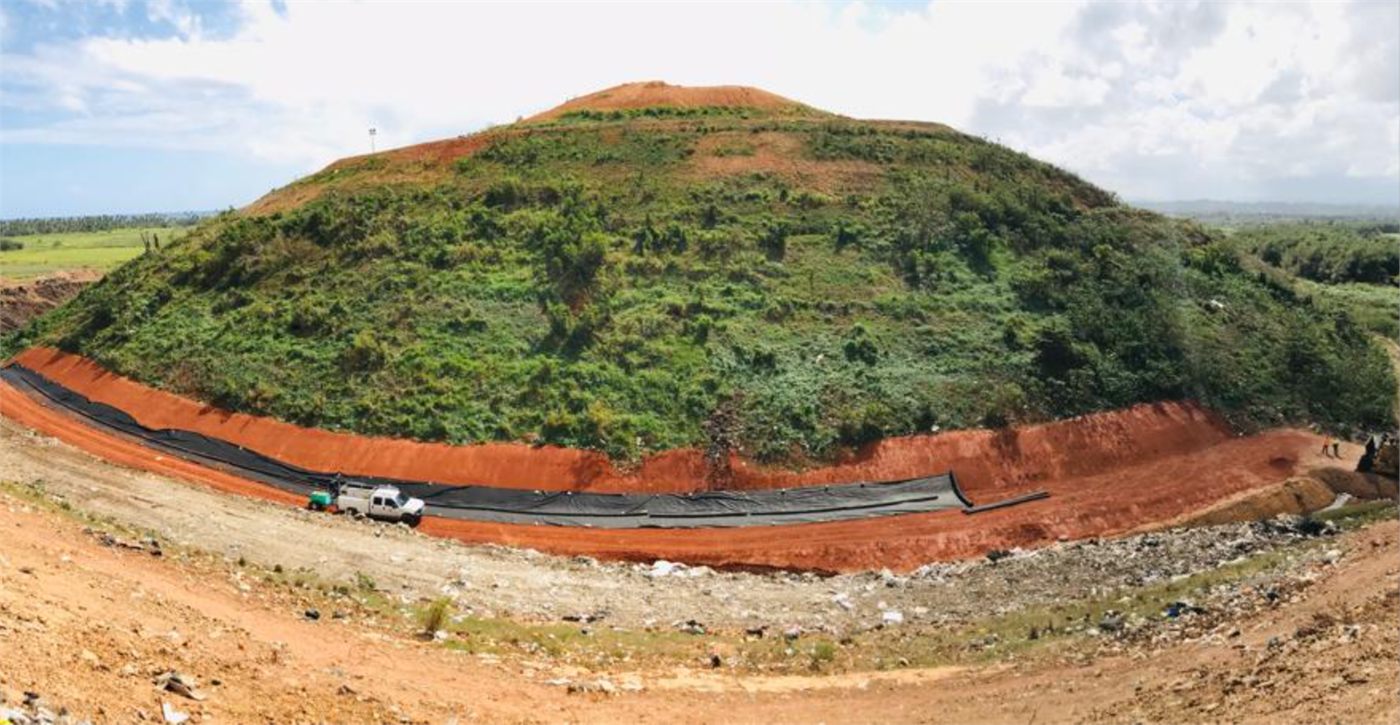
Municipal landfills under RCRA Subtitle D must keep a well network, upgradient and downgradient, and report to DRNA on a set schedule. The point of the network is to catch leachate leaving the waste mass before it gets far.
Hazardous Waste Facilities
Under RCRA Subtitle C, hazardous waste generators, treaters, storers, and disposers carry the heaviest load: detection monitoring, then compliance monitoring, then corrective action monitoring, depending on where the facility stands.
Contaminated Sites Under Investigation or Remediation
Any property in a Phase II assessment, a CERCLA (Superfund) investigation, or a DRNA corrective action needs monitoring to characterize the site first and to prove the cleanup worked later. It continues through remediation and into post-closure.
Industrial Facilities and Permit Conditions
Plenty of operating permits, air and stormwater among them, attach groundwater monitoring as a condition, especially where a plant stores large volumes of chemicals, fuel, or process liquids.
The Monitoring Process
A typical program looks like this:
- Monitoring well installation: Wells are drilled and cased by a licensed driller to specifications that depend on the target aquifer depth and geology. A network typically includes upgradient wells (baseline) and downgradient wells (detection).
- Sampling schedule: The regulation sets the frequency. Quarterly is common for USTs and RCRA facilities, and some programs drop to semi-annual or annual once a site has a clean record.
- Field sampling: A licensed environmental professional purges each well, measures field parameters (pH, conductivity, dissolved oxygen, temperature, turbidity), and collects samples following EPA-approved procedures.
- Laboratory analysis: A certified lab runs the parameters the permit calls for. Usually that means VOCs, SVOCs, metals, and petroleum hydrocarbons.
- Reporting: Results are compiled into a monitoring report that is submitted to DRNA, EPA Region 2, or the applicable agency on the required schedule.
Applicable Regulations in Puerto Rico
- EPA 40 CFR Part 280: underground storage tanks, release detection and groundwater monitoring
- RCRA Subtitle C (40 CFR Parts 264-265): Hazardous waste facility monitoring
- RCRA Subtitle D (40 CFR Part 258): Municipal solid waste landfill groundwater monitoring
- DRNA Regulation No. 9013: Puerto Rico environmental standards, including groundwater protection requirements
- Safe Drinking Water Act (SDWA): Protects sources of public drinking water, including underground aquifers
- CERCLA / Superfund: Federal cleanup authority for contaminated sites
What Happens if You Don't Comply?
DRNA and EPA Region 2 do enforce this. The consequences can include:
- Administrative compliance orders requiring immediate corrective action
- Civil penalties: RCRA penalties reach $124,426 per day per violation at 2025 inflation-adjusted rates
- Mandatory facility closure pending compliance
- Personal liability for responsible corporate officers in cases of willful non-compliance
- Public disclosure requirements if a release is confirmed
The fines are the smaller problem. A leak that reaches a drinking water source or a wetland because nobody was looking costs far more than years of monitoring would have.
Groundwater Monitoring for Your Facility
TerraTek designs and runs groundwater monitoring programs for USTs, landfills, industrial plants, and contaminated sites across Puerto Rico, and handles the reporting to DRNA and EPA Region 2.